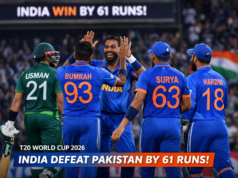
Introduction: A Series That Reinforced India’s T20 Strength
India’s recent T20 series victory has once again highlighted the depth and adaptability of the national team in the shortest format of the game. Beyond the scoreboard, the series offered valuable insights into India’s evolving strategy, team balance, and preparation for upcoming international challenges. For fans and analysts alike, the triumph was not just about winning a series—it was about the patterns of growth visible in player roles, tactical decisions, and match management.
As T20 cricket continues to evolve with faster scoring rates and innovative bowling strategies, India’s approach in this series reflected a conscious effort to balance experience with emerging talent. The result was a cohesive unit capable of responding to pressure situations while experimenting with combinations that could shape future squads.
Match Overview: How the Series Was Won
Building Momentum Across Matches
India’s path to clinching the series was built on consistency across departments. Rather than relying on isolated individual brilliance, the team showcased collective performance across batting, bowling, and fielding. Early wins provided momentum, allowing the squad to approach subsequent matches with confidence and tactical flexibility.
The series featured competitive contests where small margins decided outcomes. India’s ability to control crucial phases—such as the powerplay with the ball and the death overs with the bat—proved decisive. These phases often separate winning teams from competitive ones in T20 cricket.
Key Turning Points in the Series
Several turning points defined the series:
- Powerplay dominance: India frequently established control in the first six overs, either by setting strong foundations with the bat or by restricting opposition scoring with disciplined bowling.
- Middle-overs control: Spinners and medium pacers applied pressure through tight lines and variations, slowing down scoring rates and forcing risky shots.
- Finishing under pressure: Lower-order contributions in tight chases demonstrated composure and situational awareness.
These moments reflected a strategic approach rather than reliance on last-over heroics.
Batting Unit: Balance Between Aggression and Stability
Top-Order Intent and Role Clarity
The top order played with clear intent, focusing on maximizing powerplay returns while preserving wickets. Rather than reckless hitting, batters emphasized shot selection, targeting favorable matchups and rotating strike to maintain momentum. This approach reduced pressure on the middle order and set platforms for acceleration later in the innings.
Role clarity also stood out. Openers were tasked with providing fast starts, while the number three and four positions focused on stabilizing innings and setting up the final surge. Such defined responsibilities allowed players to approach their innings with confidence and purpose.
Middle Order and Finishers: Handling High-Pressure Scenarios
India’s middle order demonstrated adaptability, particularly in matches where early wickets fell. Instead of panicking, batters rebuilt innings through partnerships, gradually shifting gears once stability was achieved. The finishing unit, meanwhile, showcased improved strike rotation and calculated risk-taking in the final overs.
This evolution is significant in modern T20 cricket, where finishers are expected not only to hit boundaries but also to manage run rates intelligently. India’s ability to convert competitive totals into winning ones highlighted maturity in this department.
Bowling Strategy: Discipline, Variations, and Tactical Matchups
Powerplay Bowling: Setting the Tone Early
India’s bowlers focused on accuracy during the powerplay, emphasizing length control and movement off the pitch. Rather than purely attacking with pace, bowlers mixed swing, seam, and subtle variations to limit scoring opportunities. Early breakthroughs helped India dictate match tempo and apply pressure on opposition batting line-ups.
Middle Overs: Containing and Forcing Errors
The middle overs were characterized by smart use of spin and change-of-pace deliveries. Bowlers maintained tight lines, forcing batters to take risks against the field. This phase often yielded crucial wickets, breaking partnerships and preventing opponents from building momentum.
Tactical field placements complemented bowling plans, with captains adjusting defensive and attacking fields based on batter tendencies. This adaptability reflects a growing analytical approach within the team setup.
Death Overs: Closing Out Matches
Closing out matches in T20 cricket requires composure under pressure. India’s bowlers executed yorkers, slower balls, and wide-line deliveries with greater consistency, limiting boundary options in the final overs. While not flawless, the overall improvement in death-over execution was a key factor in sealing tight games.
Fielding and Fitness: The Hidden Edge
Fielding played a subtle yet impactful role in the series outcome. Athletic saves, sharp catching, and quick throws turned potential boundaries into singles and converted half-chances into wickets. These marginal gains often tilt close contests and reflect the team’s emphasis on fitness and agility.
Improved fielding standards also reduce pressure on bowlers, allowing them to stick to plans rather than compensating for dropped chances. Over the course of the series, India’s fielding intensity contributed to building sustained pressure on opponents.
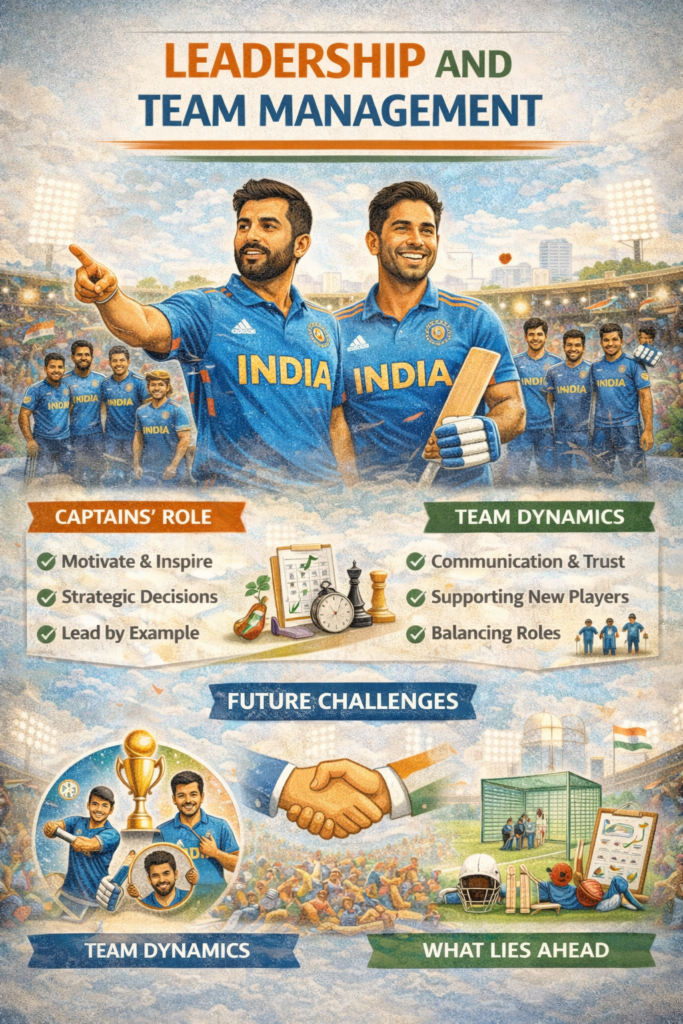
Leadership and Team Management:
Captaincy and Tactical Awareness
Leadership decisions throughout the series reflected proactive thinking. Bowling changes were timed to disrupt batting momentum, and batting orders were adjusted to exploit matchups. The captain’s willingness to rotate bowlers based on conditions demonstrated flexibility rather than rigid adherence to pre-set plans.
Managing Workloads and Player Rotation
With a packed international calendar, managing player workloads is increasingly important. The series provided opportunities to rotate squad members and test bench strength without compromising competitiveness. Such rotation not only preserves player fitness but also broadens the talent pool available for future tournaments.
What This Series Means for India’s T20 Future
Building Toward Major Tournaments
The series win offers valuable momentum as India looks ahead to major international competitions. Lessons learned around role clarity, death-over execution, and batting depth will inform preparation strategies. The emphasis on collective performance rather than individual dependency bodes well for consistency in high-pressure tournaments.
Identifying Areas for Improvement
Despite the positive outcome, the series also highlighted areas for growth:
- Power-hitting consistency: Converting starts into match-defining innings remains a focus area.
- Bowling under extreme pressure: Fine-tuning death-over plans against elite finishers will be crucial.
- Fielding consistency: Minimizing errors in high-stakes moments can further strengthen India’s edge.
Acknowledging these gaps allows for targeted preparation ahead of tougher challenges.
Fan Engagement and the Broader Impact
Cricket remains deeply woven into India’s social fabric, and series wins often spark nationwide conversations. Beyond entertainment, such victories boost morale and reinforce confidence in the team’s direction. The growing interest in T20 cricket also fuels grassroots participation, inspiring young players to emulate their heroes and pursue professional pathways.
Conclusion: A Win That Signals Progress, Not Complacency
India’s T20 series triumph reflects progress in team balance, tactical clarity, and execution under pressure. While the win itself is worth celebrating, its true value lies in the insights it offers for future preparation. By building on strengths and addressing remaining gaps, India can continue evolving as a formidable force in T20 cricket.
As the international calendar unfolds, fans will watch closely to see how these lessons translate into performance on bigger stages. For now, the series stands as a positive marker in India’s ongoing journey toward sustained excellence in the shortest format of the game.
This Contents is Generated by Ai.